
Grown for tea.
Held open for the wild.
Wildlife does not stop at the boundaries of protected reserves—and neither should conservation.

Protecting wildlife beyond protected boundaries
Protected reserves provide vital refuge, yet countless species live and move beyond them—across farms, community territories, tea gardens, and fragmented habitats where protection remains limited.
Protected areas and conservation organizations are essential, but wildlife also needs support throughout the wider landscapes it depends on.
Teas for Wildlife was created to help bridge this gap by transforming everyday consumption into sustained support for wildlife conservation. Through responsibly sourced products and our annual conservation commitment, we help protect biodiversity where people, agriculture, and wildlife meet.
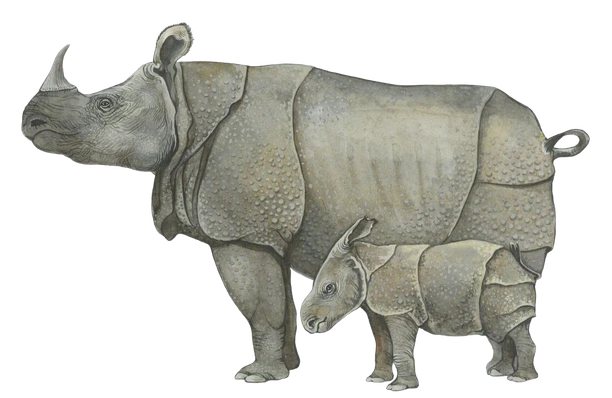
Every purchase contributes to something larger.
Each year, Teas for Wildlife donates 10% of its annual profits to wildlife conservation projects—turning an everyday ritual into sustained action for habitats, communities, and the species that share them.
From everyday ritual to conservation action.
Practical action,
grounded in place
Through our annual conservation commitment and work with local partners, we support practical initiatives designed to protect wildlife, strengthen communities, and preserve shared landscapes.
Securing the ground around the forests that matter most.
Before a sensor goes up or a bridge is strung, the corridor itself has to be secured. We work with plantation partners to map and protect the habitat linkages around India's top four reserve forests — the connective tissue between protected core areas and the working tea landscape around them — so wildlife has continuous, safe ground to move through, not just isolated pockets of forest.
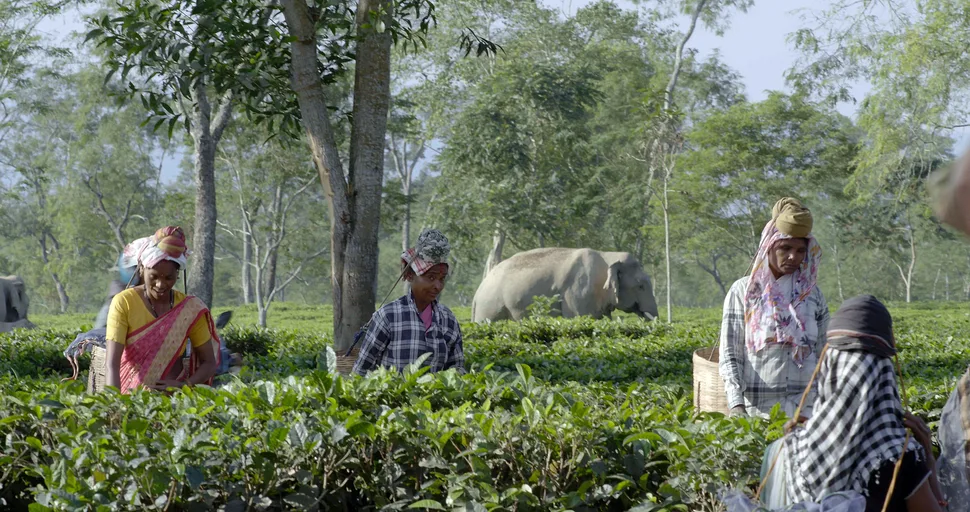
A warning before a collision.
Motion and thermal sensors along known elephant corridors give estate workers and nearby villages advance notice when a herd is close — enough time to clear a path, secure a home, and let the animals move on undisturbed. It's the difference between a shared landscape and a dangerous one.
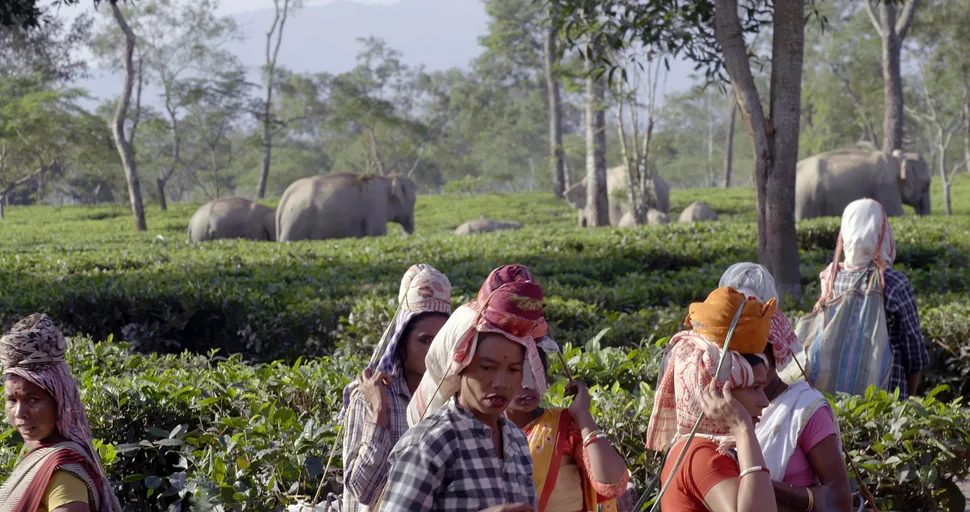
A bridge instead of a live wire.
Tea gardens fragment the forest canopy that gibbons depend on to move, feed, and find mates. We install rope canopy bridges strung between trees on either side of estate roads and power lines, giving gibbon troops — and other canopy dwellers — a safe crossing where the forest used to be continuous.

The people who grow the leaf, growing with it.
Smallholder farmers are trained in sustainable cultivation, fair pricing, and the everyday coexistence practices that keep both harvests and habitats intact. Community education programs — in the villages and in local schools — carry the same message to the next generation.
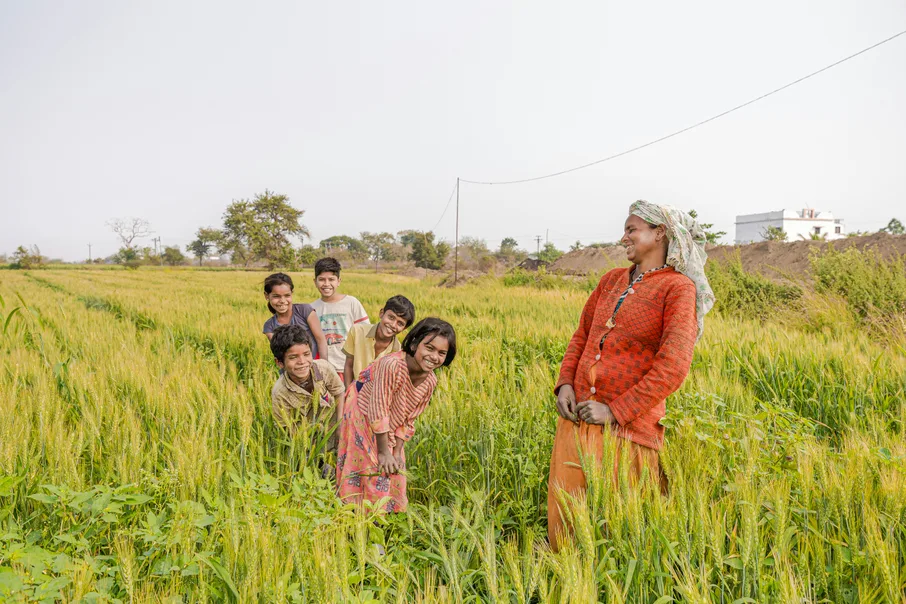
Tea rolled and blended by the hands that grew it.
Small hand-rolling and blending units, set up close to the farms, let growers process and finish their own leaf instead of selling it raw at a fraction of its worth. It keeps more value in the community and more craft in the cup.
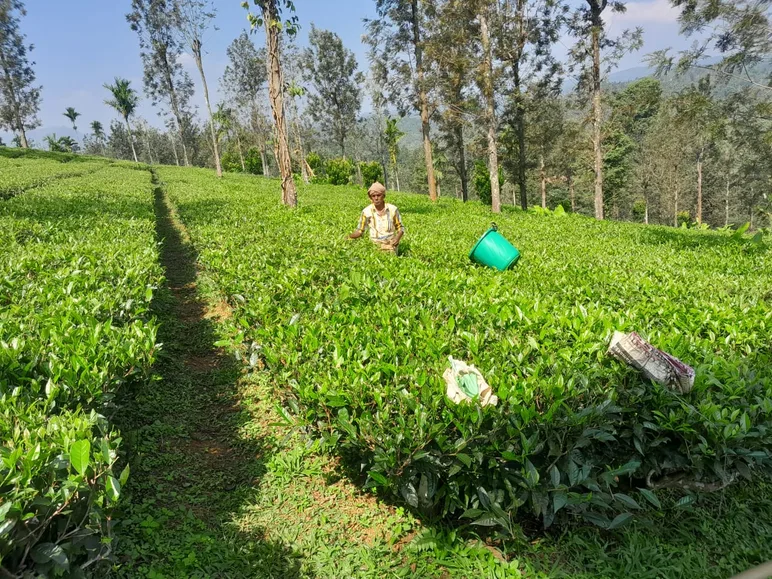
From leaf to finished tea, without leaving home.
Simple, solar-assisted drying facilities dehydrate the leaf on site, cutting spoilage and transport costs and giving smallholders a shelf-stable product they can sell on their own terms — no middleman required to keep it from going to waste.
A school built from what grows around it.
We're opening a school built almost entirely from bamboo — sourced locally, fast to grow back, and suited to the climate. One day a week, its classrooms double as a space for the wider community: farmer training sessions, wildlife education, and village meetings.
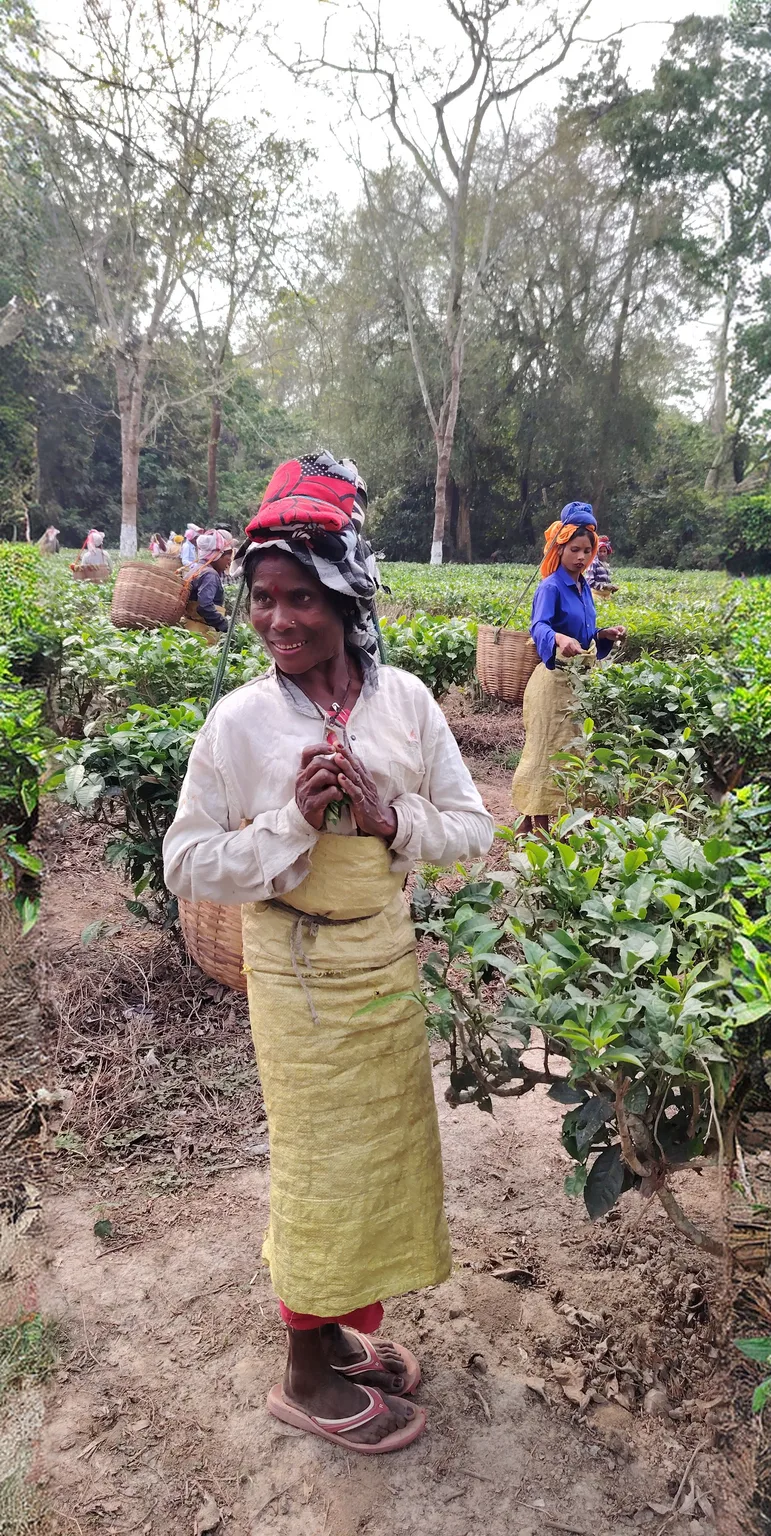
A quieter way to create impact
Not through urgency, not through excess.
But through small daily rituals that reconnect us to the natural world — and help protect the species that still belong within it.
Every cup becomes part of something larger.
Discover our products