Ashwagandha

Grounding strength and calm

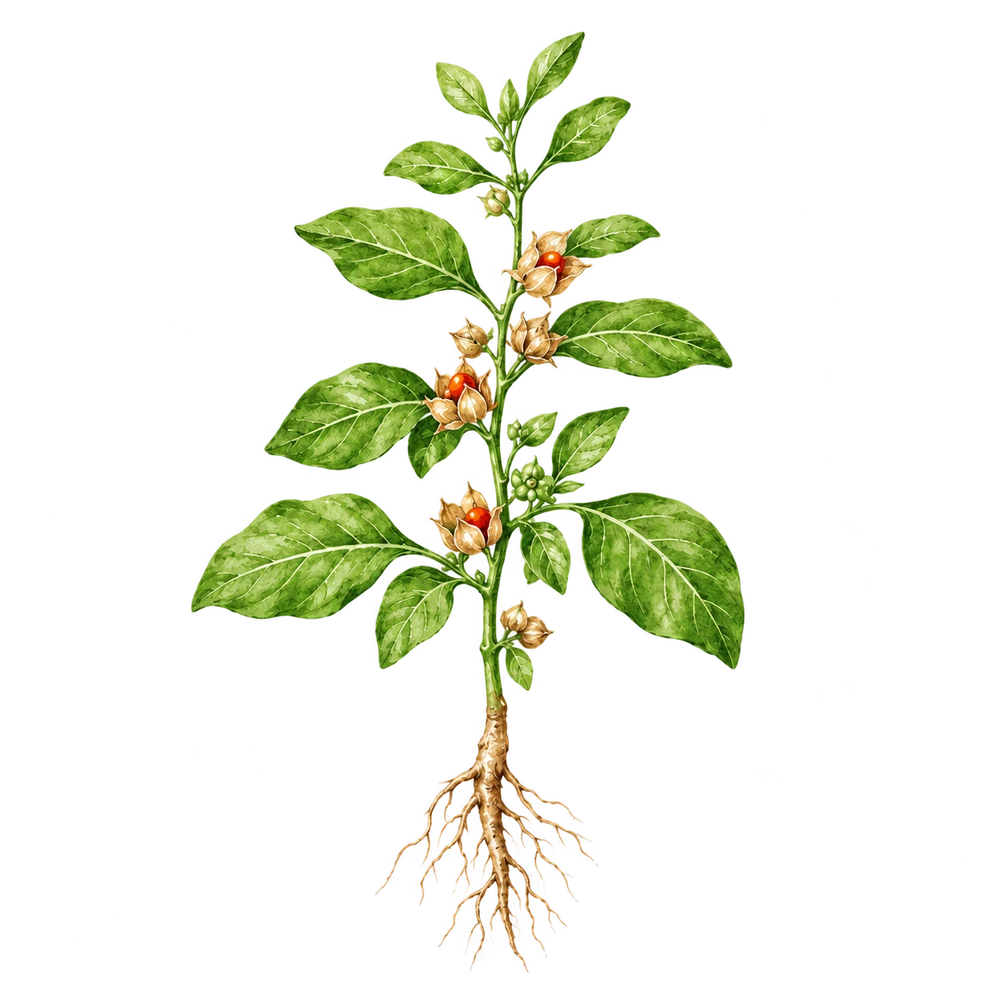
Ashwagandha is a revered botanical root traditionally used in Ayurvedic wellness practices for centuries. With its earthy, slightly bitter, and subtly nutty flavor, it brings depth and warmth to herbal tea blends. Valued for its grounding character and long cultural heritage, ashwagandha is often enjoyed as part of restorative tea rituals designed to encourage moments of balance, reflection, and connection with nature.
Ancient Ayurvedic Heritage
Celebrated in traditional Indian wellness practices for thousands of years, ashwagandha remains one of Ayurveda’s most respected botanical ingredients.
Naturally Caffeine-Free
Its naturally caffeine-free nature makes it a versatile ingredient for mindful tea rituals throughout the day and evening.
Deep Earthy Flavor
Ashwagandha contributes a rich, earthy profile with gentle bitter and nutty notes that add complexity to herbal infusions.
Rooted in Ritual
Traditionally prepared as part of daily wellness routines, it is closely associated with intentional moments of pause and restoration.
Ashwagandha
Rich Botanical Tradition
Its enduring presence in herbal traditions reflects generations of cultivation, knowledge, and respect for plant-based wellness.
Complements Warming Spices
Ashwagandha pairs beautifully with ingredients such as cinnamon, cardamom, ginger, and cloves, creating balanced and comforting blends.
Sustainably Cultivated Crop
Often grown in semi-arid farming regions, it can thrive with relatively low water requirements compared to many cultivated crops.
Harvested for Its Roots
The plant’s roots are carefully harvested and dried at maturity, preserving the qualities that make them prized in tea and herbal preparations.

Origin Story

Ashwagandha is widely cultivated across India, particularly in the states of Madhya Pradesh, Rajasthan, Gujarat, Maharashtra, and parts of Uttar Pradesh. These regions provide the warm temperatures, abundant sunlight, and well-drained sandy soils that the plant prefers. Traditionally grown in semi-arid landscapes, ashwagandha has become an important crop for many smallholder farmers due to its resilience and adaptability. Deeply woven into India's agricultural and wellness heritage, the plant reflects a long-standing relationship between biodiversity, traditional knowledge, and sustainable cultivation practices that continue to support local communities today.

Ashwagandha

Quick Facts

Botanical Name
Withania somnifera
Plant Type
Perennial medicinal shrub
Flavor Profile
Earthy, woody, slightly bitter, nutty, warming
Caffeine Level
Naturally caffeine-free
Best Time to Enjoy
Evening, after meals, or during quiet moments of reflection
Common Tea Pairings
Cinnamon, cardamom, ginger, turmeric, licorice root, vanilla, rooibos