Chamomile

Softly floral and naturally calming

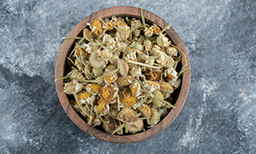
Known for its delicate daisy-like blossoms and gentle floral character, chamomile has been cherished in herbal tea traditions for centuries. Its infusion offers soft notes of honey, wildflowers, and sun-warmed hay, creating a soothing and comforting cup. Naturally caffeine-free, chamomile is valued for its calming ritual qualities and its ability to bring moments of stillness and balance to daily tea ceremonies.
Naturally Caffeine-Free
A gentle herbal infusion that can be enjoyed throughout the day, including quiet evening rituals and moments of reflection.
Soft Floral Sweetness
Its delicate flavor combines notes of wildflowers, honey, and fresh meadow herbs, creating a smooth and comforting cup.
A Timeless Herbal Tradition
Chamomile has been brewed across cultures for generations, making it one of the world's most beloved botanical infusions.
Rich in Botanical Compounds
The blossoms naturally contain a variety of plant compounds that contribute to their longstanding appeal in herbal teas.
Chamomile
Ideal for Evening Rituals
Its gentle nature and comforting aroma make it a favored companion for unwinding and creating mindful tea moments.
Harvested from Delicate Blossoms
Only the flower heads are collected, preserving the plant's distinctive aroma, beauty, and character.
Pollinator-Friendly Plant
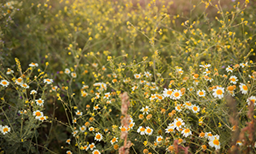
Chamomile flowers attract bees and beneficial insects, supporting healthy ecosystems and biodiversity-rich landscapes.
Elegant Golden Infusion
When brewed, the blossoms create a luminous golden liquor that reflects the warmth of sunlit fields.

Origin Story

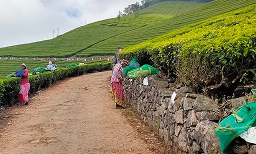
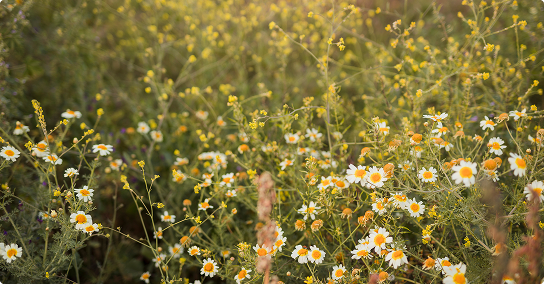
In India, chamomile is primarily cultivated in the temperate regions of Himachal Pradesh, Uttarakhand, Jammu & Kashmir, and parts of northern plains such as Punjab. These areas offer cool winters, moderate temperatures, and well-drained soils that encourage healthy flowering. Chamomile has gained popularity among small-scale farmers seeking high-value medicinal and aromatic crops suited to diverse agricultural systems. During bloom season, fields are transformed into carpets of white and yellow flowers that attract pollinators and contribute to local biodiversity, making chamomile both an agricultural and ecological asset.
Chamomile

Quick Facts

Botanical Name
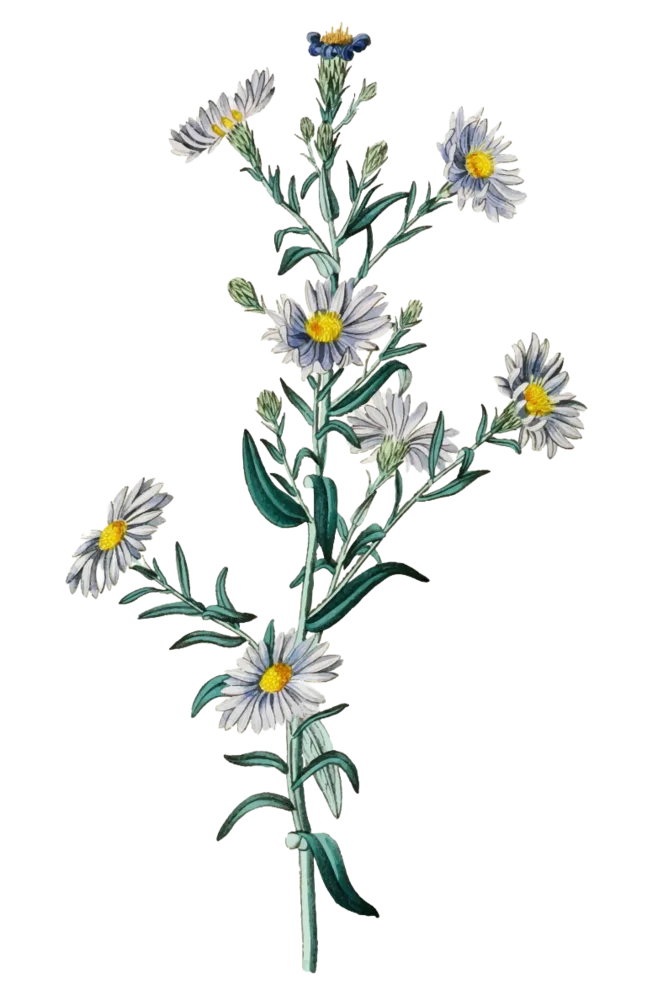
Matricaria chamomilla (German Chamomile)
Plant Type
Flowering herb
Flavor Profile
Floral, honeyed, sweet, herbaceous, delicate
Caffeine Level
Naturally caffeine-free
Best Time to Enjoy
Evening, before bedtime, or during quiet moments of relaxation
Common Tea Pairings
Lavender, lemongrass, peppermint, rose petals, fennel, green rooibos