Fennel

Sweet, soothing, and clean

Fennel is a fragrant herb whose seeds have been cherished for centuries in traditional herbal infusions. Known for their naturally sweet, licorice-like flavor with subtle herbal notes, fennel seeds create a smooth and comforting cup. Valued across cultures for both culinary and tea traditions, fennel brings warmth, balance, and aromatic depth to blends, making it a timeless companion for mindful tea rituals.
Naturally Sweet and Aromatic
Fennel seeds offer a gentle sweetness and distinctive anise-like fragrance that adds depth and softness to herbal infusions.
Traditionally Enjoyed After Meals
Across many cultures, fennel has long been enjoyed as part of daily rituals that follow shared meals and gatherings.
Naturally Caffeine-Free
Fennel infusions can be enjoyed throughout the day or evening without contributing additional caffeine.
Rich in Botanical Essential Oils
The seeds contain naturally occurring aromatic compounds that contribute to their distinctive flavor and sensory appeal.
Fennel
Comforting Herbal Character
Its warm, rounded flavor profile creates a soothing and satisfying tea experience in every cup.
Versatile Blending Ingredient
Fennel pairs beautifully with spices, citrus peels, florals, and herbs, enhancing complexity and balance.
Deeply Rooted in Tradition
For generations, fennel has been cultivated and used in herbal preparations across Asia, the Mediterranean, and the Middle East.
Harvested from Flowering Umbels
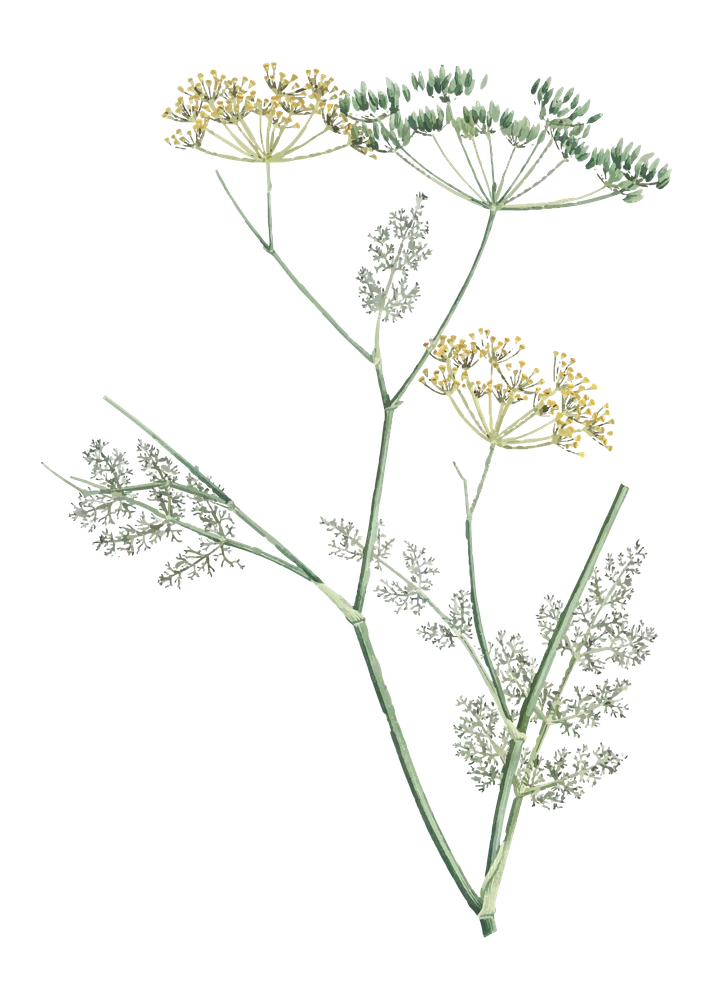
The seeds are collected from delicate clusters of golden-yellow flowers, reflecting the plant's elegant botanical journey.

Origin Story

Fennel is cultivated across several regions of India, particularly in Rajasthan, Gujarat, Uttar Pradesh, and Punjab. These areas offer abundant sunshine, well-drained soils, and dry climatic conditions that help the seeds develop their characteristic sweetness and aromatic oils. Rajasthan and Gujarat are especially renowned for producing high-quality fennel used in both culinary and herbal traditions. Beyond agriculture, fennel holds an important place in Indian culture, where it is often enjoyed after meals and featured in traditional hospitality rituals. Its bright flowering umbels also attract pollinators, contributing to healthy agricultural ecosystems and biodiversity.

Fennel

Quick Facts

Botanical Name
Foeniculum vulgare
Plant Type
Aromatic flowering herb
Flavor Profile
Sweet, licorice-like, herbal, warm, slightly earthy
Caffeine Level
Naturally caffeine-free
Best Time to Enjoy
After meals, afternoon, evening relaxation
Common Tea Pairings
Mint, ginger, cardamom, orange peel, chamomile, lemongrass