Wild Story
How one visit to South India turned struggling farmers into guardians of the wild.
When Amit first traveled to South India, he saw something that would change his life. Small farmers, with just one or two acres of land, were living on the edge—caught in a brutal cycle. Their banana plantations, like others, were being devastated by elephants, and no one—no government, no aid—was there to help. He realized these farmers were the first line of defense in human-wildlife conflict. They were guarding the edge of rich ecosystems—like the famed Mudumalai Forest in South India, home to leopards and tigers. But these farmers were trapped—earning less than a dollar per kilo, selling their leaves to big factories. And then, one day, he saw it—the elephants trampling their crops. That was his turning point.
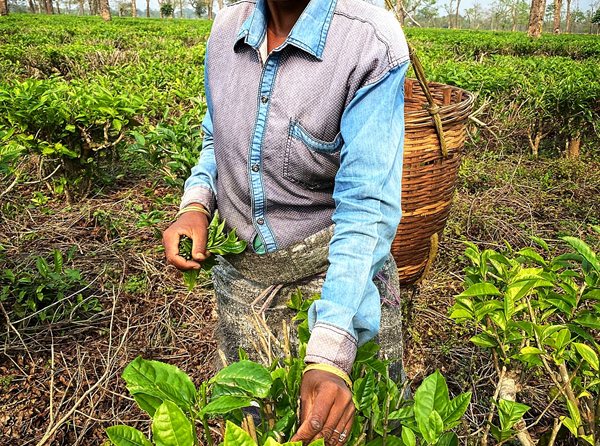
Instead of giving them temporary aid, he decided to empower them. He taught them not just to grow tea, but to craft hand-rolled teas, to integrate spices and flowers alongside their crops, and even coffee. By regenerating their land, they created forest-like plantations, rich with biodiversity. And, through these traditional, value-added teas, they went from earning pennies to over $25 per kilo. With that success, a ripple spread—other farmers joined in, creating a wave of change. Through this empowerment, both humans and wildlife found a path forward—one built on respect, regeneration, and the belief that small farmers, given the right tools, can be the change we all need.