Wild Story
How one farming community learned to share the landscape with wild elephants.
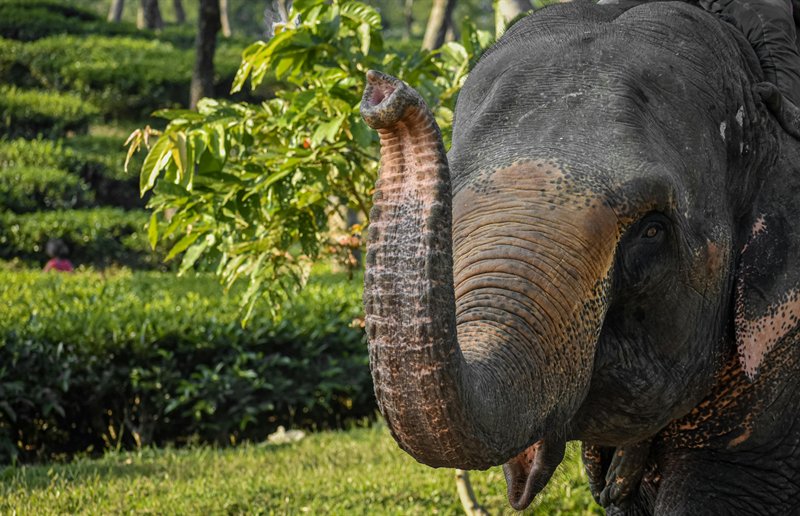
In the foothills of the Western Ghats, tea gardens stretch across rolling hills bordered by ancient forests. These forests are home to elephants, leopards, birds, and countless other species that have traveled these routes for generations.
As farms expanded and natural habitats became fragmented, elephant herds increasingly crossed agricultural land. Farmers faced crop losses, while elephants struggled to access traditional migration routes.
For Rajesh, a second-generation tea grower, encounters with elephants were becoming more frequent each year. What began as frustration eventually became a search for solutions that could protect both livelihoods and wildlife.
Working alongside conservation organizations, local farmers helped identify key wildlife routes and adapted land-use practices to reduce conflict. New early-warning systems provided communities with more time to respond safely when elephants approached.
Over time, incidents decreased, wildlife movement became safer, and communities gained confidence that coexistence was possible.
Across India, landscapes like these demonstrate that conservation is most effective when local communities become part of the solution. Protecting wildlife also means supporting the people who share their environment.
Stories like this inspire the mission of Teas for Wildlife. Through responsible sourcing and partnerships that support coexistence, every cup becomes part of a larger story—one where people and wildlife thrive together.