Saffron

Precious, golden, and rare

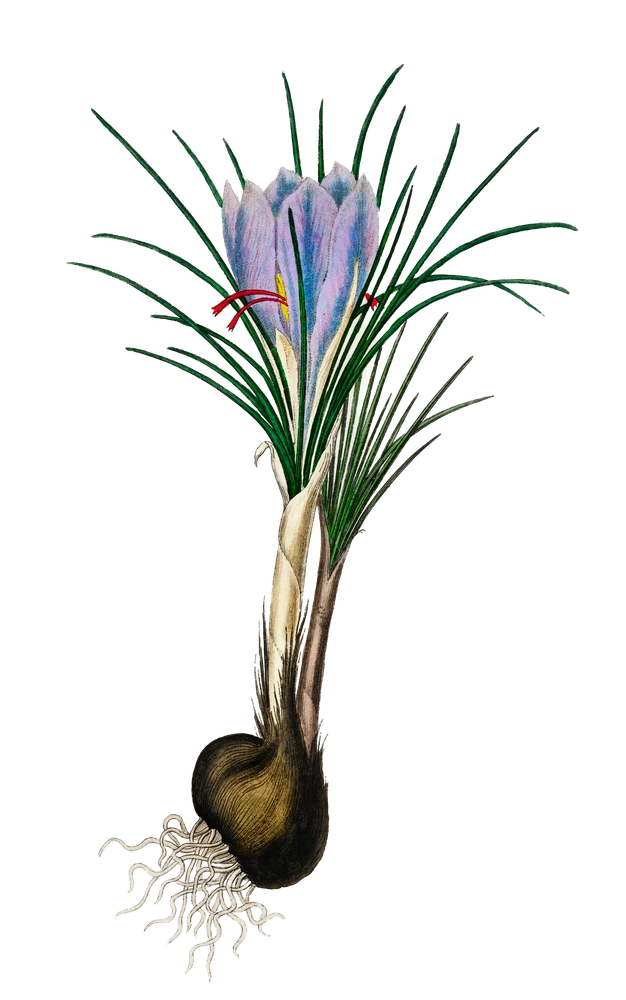
Saffron is one of the world's most treasured botanical ingredients, prized for its delicate floral aroma, honeyed earthiness, and luminous golden hue. Harvested from the crimson stigmas of the saffron crocus flower, it has been used for centuries in culinary traditions, wellness rituals, and ceremonial beverages. In tea, saffron brings elegance, warmth, and a distinctive sensory experience that transforms everyday moments into mindful rituals.
Hand-Harvested Luxury
Each saffron thread is carefully picked by hand, making it one of the most labor-intensive and treasured botanical ingredients in the world.
Delicate Floral Aroma
Its subtle fragrance combines floral, honeyed, and earthy notes that add depth and refinement to tea blends.
Naturally Vibrant Color
A few strands release a radiant golden hue, creating a visually beautiful infusion that enhances the tea-drinking experience.
Rich Botanical Heritage
Saffron has been celebrated across cultures for centuries and remains an enduring symbol of hospitality, celebration, and craftsmanship.
Saffron
Distinctive Flavor Complexity
Its taste is uniquely layered, offering gentle sweetness balanced by earthy and slightly herbaceous undertones.
Supports Mindful Rituals
The rarity and preparation of saffron encourage slower, more intentional tea moments and sensory appreciation.
Contains Natural Plant Compounds
Saffron naturally contains carotenoids and other botanical compounds that contribute to its vivid color and prized character.
Cultivated With Care
The delicate flowers bloom briefly each year, requiring precise timing and skilled harvesting practices to preserve quality.

Origin Story

In India, saffron is most famously cultivated in the Kashmir Valley, particularly in the districts of Pampore, Pulwama, and Budgam. The region's cool climate, fertile well-drained soils, and distinct seasonal variations create ideal conditions for saffron crocus cultivation. Often called the "Saffron Town of Kashmir," Pampore has produced saffron for centuries and remains deeply connected to local cultural identity. Each autumn, fields transform into a sea of purple blossoms that must be harvested by hand within a short flowering window. This meticulous process, combined with generations of agricultural knowledge, contributes to the exceptional quality and prestige of Kashmiri saffron.

Saffron

Quick Facts

Botanical Name
Crocus sativus
Plant Type
Flowering perennial crocus
Flavor Profile
Floral, honeyed, earthy, warm, subtly sweet
Caffeine Level
Naturally caffeine-free
Best Time to Enjoy
Morning rituals, afternoon reflection, evening unwinding
Common Tea Pairings
Green tea, black tea, cardamom, rose, cinnamon, ginger