Bay leaf

An aromatic leaf offering warm, woody, gently spiced notes.

Indian bay leaf, traditionally known as tejpat, is an aromatic leaf treasured for its warm, woody fragrance and gentle notes of cinnamon and clove. Long used in Indian cooking and traditional infusions, it brings quiet complexity to tea blends without overwhelming their character. Naturally caffeine-free, bay leaf is valued for creating comforting, slow-sipped rituals with an earthy aroma and softly spiced finish.
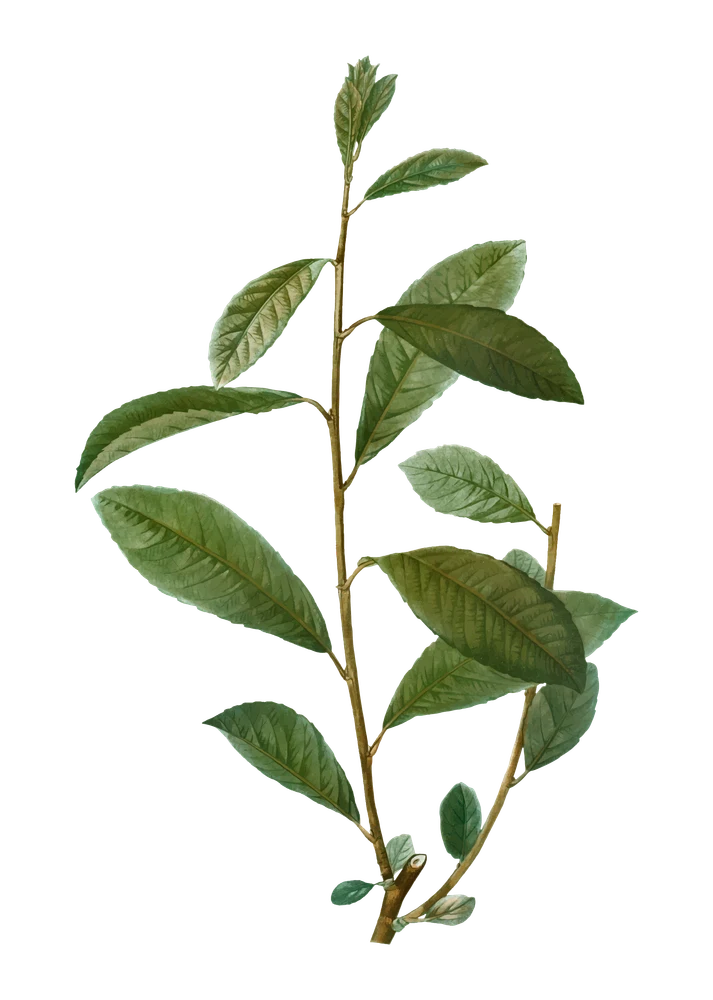
Warm Cinnamon-Like Aroma
Indian bay leaf releases a refined fragrance reminiscent of cinnamon, clove, and forest woods when steeped in hot water.
Naturally Caffeine-Free
Free from caffeine in its natural form, bay leaf is well suited to gentle afternoon and evening tea rituals.
Supports Digestive Comfort
Traditionally enjoyed after meals, bay leaf infusions are associated with warmth, balance, and a soothing sense of digestive ease.
Rich in Aromatic Compounds
Its naturally occurring aromatic oils give the leaf its distinctive fragrance, lingering warmth, and layered botanical character.
Bay leaf
Deeply Rooted in Tradition
Known as tejpat, the leaf has long held a valued place in Indian culinary practices and traditional botanical preparations.
Adds Gentle Spiced Depth
Bay leaf brings subtle structure to blends, complementing stronger spices without dominating the tea’s overall flavor profile.
Ideal for Slow Infusion
Gentle simmering gradually draws out its woody sweetness, creating a fragrant cup with depth and a softly warming finish.
Harvested from Evergreen Trees
The mature leaves are gathered from aromatic evergreen trees, then carefully dried to preserve their oils, color, and fragrance.

Origin Story

Indian bay leaf grows naturally and is cultivated across the Himalayan foothills and northeastern India, particularly in Uttarakhand, Assam, Meghalaya, and surrounding regions. These landscapes provide moist forest conditions, seasonal rainfall, well-drained soils, and moderate mountain temperatures suited to this aromatic evergreen tree. Tejpat has long been gathered from forests and cultivated around rural homesteads, supporting local culinary traditions and small-scale livelihoods. Its place within biodiverse forest environments also connects the leaf to a wider landscape of native trees, pollinators, and community-based plant knowledge.

Bay leaf

Quick Facts

Botanical Name
Cinnamomum tamala
Plant Type
Aromatic evergreen tree
Flavor Profile
Woody, cinnamon-like, warm, gently sweet, clove-like
Caffeine Level
Naturally caffeine-free
Best Time to Enjoy
After meals, afternoons, or during evening rituals
Common Tea Pairings
Black tea, cinnamon, ginger, cardamom, clove