Oolong tea is a partially oxidized tea celebrated for its remarkable balance between the freshness of green tea and the depth of black tea. Its flavor can range from delicate floral and creamy notes to rich, roasted and honeyed nuances, depending on how it is crafted. Revered for centuries in traditional tea cultures, oolong is valued for its complexity, layered aroma, and the mindful ritual it invites with every infusion.
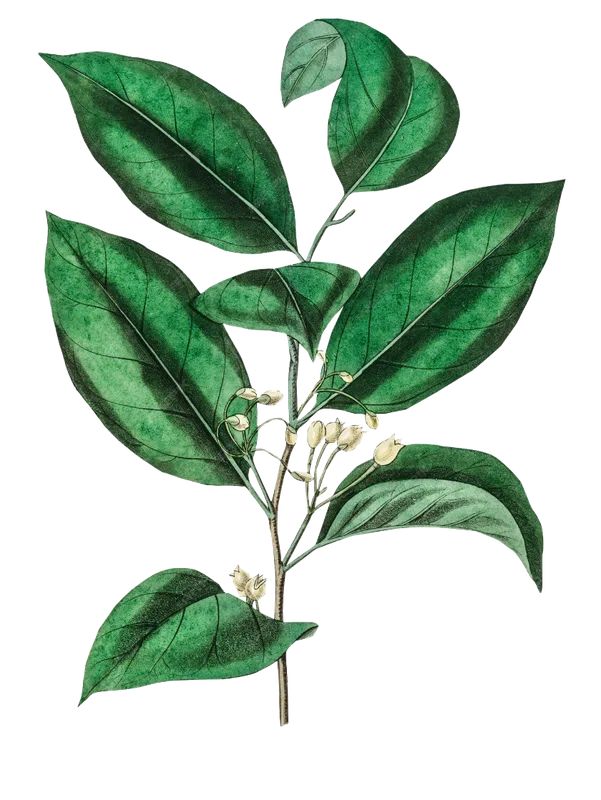
In India, oolong tea is primarily cultivated in the high-altitude gardens of Darjeeling, with smaller experimental production emerging in regions such as Sikkim, Nilgiri, and parts of Assam. Cool mountain temperatures, mist-covered slopes, rich soils, and significant day-to-night temperature variations create ideal conditions for developing the tea's complex aromas and balanced flavor profile.
Indian oolong production remains relatively small compared to black tea, making it a distinctive specialty. Crafted through careful oxidation and traditional processing techniques, Indian oolong reflects both the country's tea heritage and a growing appreciation for artisanal, terroir-driven teas that celebrate biodiversity and craftsmanship.