White tea

Subtle, soft, and pure

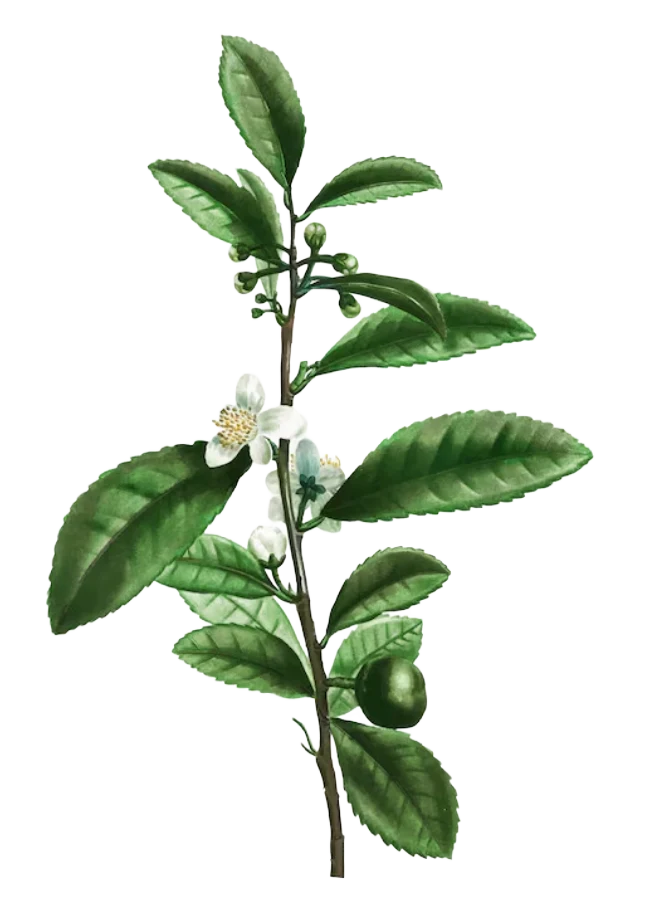
White tea is one of the most delicate expressions of the tea plant, crafted from young buds and tender leaves that undergo minimal processing. Its flavor is light, silky, and subtly sweet, with notes that evoke fresh blossoms and spring meadows. Revered for centuries in tea traditions, white tea is valued for its gentle character, refined complexity, and the quiet ritual it brings to moments of pause and reflection.
Minimal Processing Tradition
White tea is carefully withered and dried, preserving the leaf's natural character and showcasing the purest expression of the tea plant.
Delicate Floral Notes
Its gentle aroma often reveals soft floral nuances that create an elegant and calming sensory experience.
Naturally Light and Smooth
The infusion is known for its silky texture and subtle sweetness, making it approachable for both new and experienced tea drinkers.
Rich in Natural Plant Compounds
Young tea buds naturally contain a variety of plant-derived compounds that contribute to the tea's prized character and complexity.
White tea
Crafted from Tender Buds
Many white teas are harvested from the youngest shoots, celebrated for their rarity and refined flavor profile.
A Slow-Sipping Ritual
Its subtle nature encourages mindful brewing and unhurried enjoyment, turning tea preparation into a calming daily ritual.
Seasonal Harvest Significance
The finest white teas are often collected during carefully timed harvest periods when buds are at their most delicate stage.
Elegant Pairing Ingredient
Its light body and nuanced flavor complement fruits, flowers, and gentle botanicals without overwhelming the blend.

Origin Story

In India, white tea is primarily cultivated in the mist-covered hills of Darjeeling in West Bengal and selected tea gardens across Assam and the Nilgiri Mountains. These regions offer ideal growing conditions, including cool temperatures, abundant rainfall, fertile soils, and varying elevations that slow leaf development and encourage complexity of flavor. Hand-harvesting remains an important part of production, with skilled pickers selecting only the youngest buds and leaves. The combination of mountain climates, traditional craftsmanship, and biodiversity-rich landscapes gives Indian white tea its distinctive elegance and character.

White tea

Quick Facts

Botanical Name
Camellia sinensis
Plant Type
Evergreen tea shrub
Flavor Profile
Delicate, floral, honeyed, fresh, silky
Caffeine Level
Low to moderate
Best Time to Enjoy
Early morning, mid-afternoon, or quiet moments of reflection
Common Tea Pairings
Rose petals, jasmine, chamomile, lemongrass, berries, citrus peel